
Homeowners in Dubuque, IA face unique plumbing challenges from aging pipes to freeze-thaw cycles. Learn what to expect from residential plumbing repair.
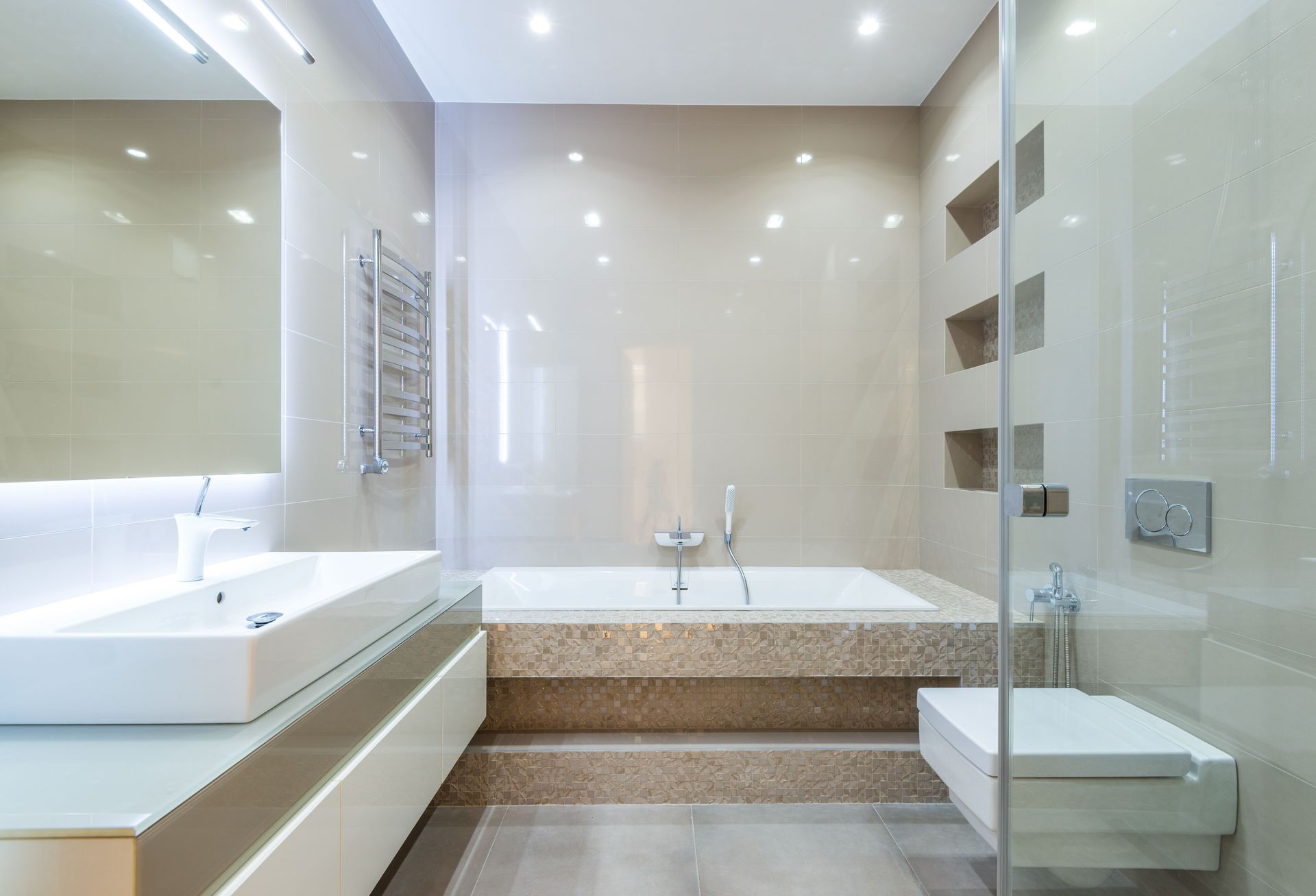
If you plan to stay in your house for the rest of your life, consider renovating your bathroom with accessibility in mind. Bathrooms and Kitchens are some of the spaces homeowners use the most, and they also happen to be wet zones. Reducing slip hazards and ensuring adequate lighting and maximum comfort is vital when creating an age-proof bathing space. Universal design features make a bathroom more accessible for people of any age with a disability or an injury. These ideas will help make your bathroom safe and easy to use for decades. 1. Include a Shower Bench A safe place to sit in the shower is vital for an age-proof bathroom design. Decreasing the time you stand in the rain not only eases the strain on your body but also reduces the chances of slipping and falling. Be sure to install or buy a bench that is large enough to comfortably sit and bathe on. Your bench may be built-in or free-standing. If space is limited in the shower, consider a bench seat that can flip up when not in use. Waterproof seat cushions can help soften a hard surface. Shop for shower benches and seats. 2. Install a Handheld Shower Head Handheld shower heads are easily adjustable for height and, when placed near your shower bench, enable you to wash while seated. 3. Add Grab Bars in the Shower Sturdy grab bars provide something for you to hold on to as you enter and exit the shower or sit down on a shower bench or seat. Install one on the outside of your battery and interior walls to safely navigate the space. 4. Increase the Height of Your Vanity The standard vanity height is 31½ inches (not including your countertop), which isn’t high enough for some homeowners. Raising the cabinet height to 34½ inches (this will reach standard kitchen counter height, including a 1½ inch countertop) can prevent you from having to hunch over as you’re washing up. There are two exceptions to increasing the vanity height. If you’re more comfortable with the standard vanity height, don’t increase it. Or, if you want to make your vanity wheelchair accessible, choose a counter size of 34 inches maximum, as specified in the American Disabilities Act guidelines. 5. Buy a Comfort-Height Toilet Most toilets are less than 16 inches high. Comfort-height bathrooms are 17 to 19 inches tall, which can make sitting and standing much more accessible, reducing the strain on your back and knees. 6. Think Twice About Glass Few things open up a bathroom, like glass walls and doors. But keep in mind that shower glass requires upkeep. You need to squeeze it regularly to avoid streak marks, which may make it less convenient for a bathroom designed for aging in place. There are heavy-duty types of shower glass that will reduce maintenance, but I anticipate paying more for it. 7. Ensure That the Space Is Well-Lit The better your bathroom lighting is the less strain on your eyes. You also don’t want to miss any wet spots that can be hidden by shadows. Good lighting comes in many forms, including recessed lighting, vanity lighting, lamps, and natural light. You may even consider placing lighting inside an enclosed shower. 8. Choose Porcelain Wall and Floor Tile Porcelain can last a lifetime, so chances are you won’t have to replace it as you get older. It’s also the most accessible surface to clean. Water and a rag usually do the trick. If you’re concerned about grout, look for porcelain tile with a rectified edge. Finely cut edges allow for thin grout joints (as little as 1/16 inch in some styles). You can purchase a pre-sealed grout. 9. Look for Textured Flooring Choose one with high slip resistance, no matter which kind of Flooring you decide to put in your bathroom. A slick tile can increase the likelihood of an injury from a fall. You can spot a floor with good slip resistance by looking for grooves or feeling for texture. Generally speaking, the more textured a base is, the higher its slip resistance. There are ways to measure a floor’s slip resistance. Tile, for example, is rated by calculating the coefficient of friction. A flooring material’s slip resistance can usually be found on the manufacturer’s website. 10. Go With a Curbless Shower Entry A curbless shower entrance minimizes your risk of tripping over a step as you enter the shower. It’s also a wheelchair-accessible feature. If you forgo a shower step, your shower floor must be adequately sloped to allow water to drain correctly. If you include a degree, don’t make it large and bulky. 11. Consider the Lip Around Your Tub Pay attention to the width of the lip on a bathtub. When you have to step over a wide tub surround, the gap between your legs gets more extensive, impairing balance and increasing the chances of falling. A narrower edge can be better for getting into the tub. Alternately, some prefer a surround that includes an area wide enough to sit down on so they can sit on the edge and swing their legs over into the tub. This is easiest to do if there is a grab bar installed to provide support.
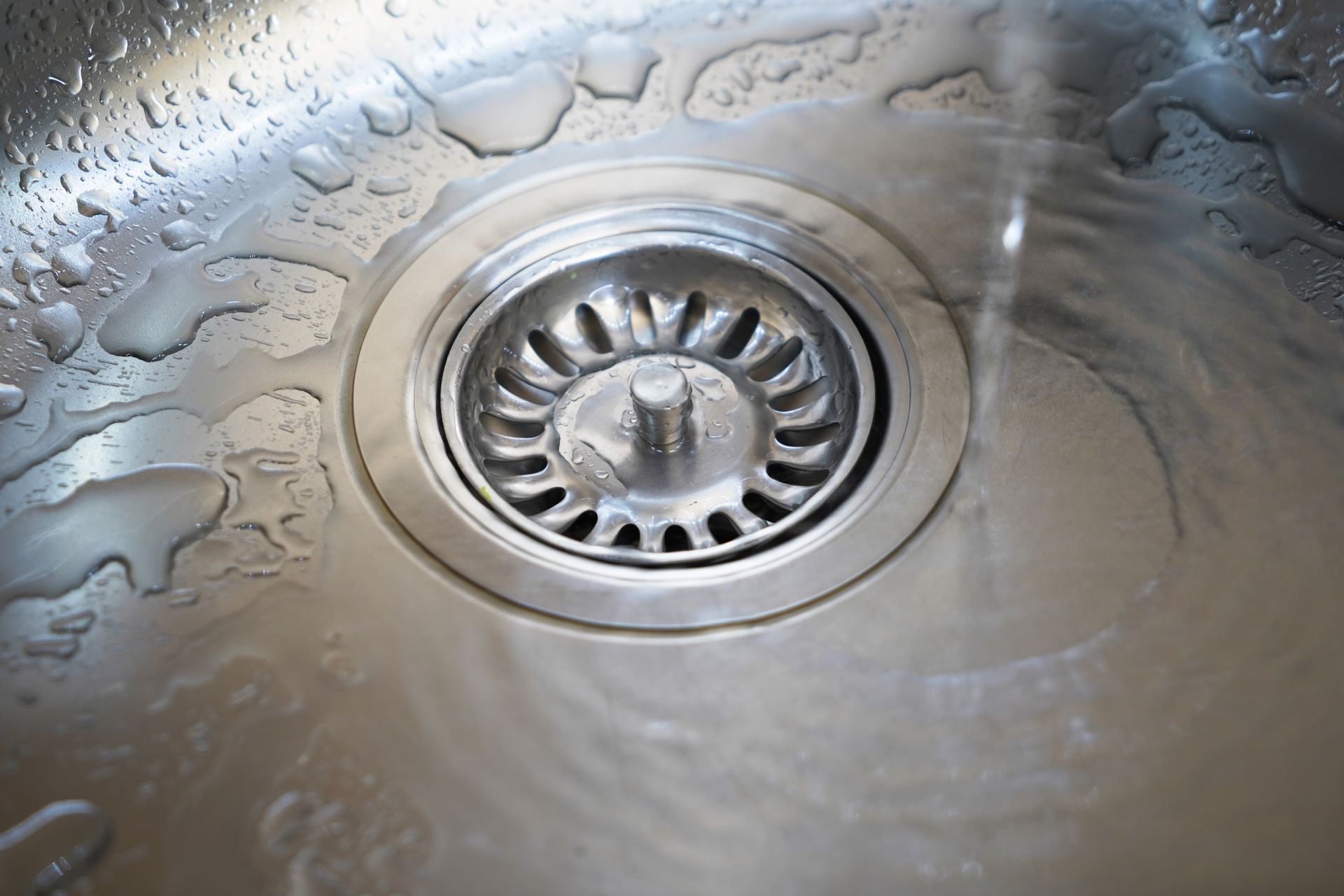
The sink drains and toilets in your home often double as trash cans. You might use a paper towel and casually flush it, pour grease in the kitchen sink after cooking a big meal, or let the hair go right down the shower drain. All of these things are bad for your pipes. Find out what you should never put down your pipes to avoid clogs, backups, and issues that could create damage in the long run. Start treating your drains better, and you will save money on plumbing issues. What Not to Put Down Your Pipes Kitchen scraps, paper products, and other things shouldn't go down your pipes. Find out which everyday items you should never put in the sink or flush down the toilet. You will save yourself a lot of grief and avoid big plumbing problems. Eggshells They seem so fragile and shatter easily, so it seems reasonable that they can be washed right down the sink. Wrong! Eggshells have sharp edges that could allow them to get caught up in the pipe rather than slide smoothly down it. These little pieces of the shell can, in turn, capture pieces of food, hair, and debris that eventually become a clog. Grease It's common practice to pour this morning's bacon grease down the kitchen sink drain before you clean the pan. Get out of this habit immediately. Grease should not be poured down your sink at all. Grease coats the inside of the pipe on its way down. As it cools, the grease hardens. It becomes a thick residue that builds up inside the pipes over time. This can lead to serious clogs. Some people take the pan with the grease outside and empty it into the grass. We recommend pouring the grease into a disposable container and throwing it away in the trashcan. Oil-based products and grease of all kinds will do this. Mayonnaise, salad dressing, and butter should also never be poured down the drain! Medication No type of medication or drugs, legal or illegal, should ever be flushed down the toilet or put down the drain. This won't cause a clog or plumbing problem in most cases, but it will cause those chemicals to break down and leak back into the drinking water. You can properly dispose of medication and controlled substances at the pharmacy or the police department. Coffee Grounds Many plumbers say that coffee grounds are the source of many clogged drains. Always put your coffee grounds in the trashcan or in the compost pile. Coffee grounds are a very rich fertilizer for your outdoor garden and landscaping areas. So-called "flushable" items like baby wipes, makeup wipes, feminine products, and cat litter that claim to be flushable should never be flushed. Despite the promises, these items do not always properly break down in the water and remain in large pieces that clog your pipes. You should throw these items in the trash rather than trying to take a shortcut. Paper Towels It seems natural that if toilet paper can be flushed, paper towels can be flushed as well. But these two items are not the same, even when they're sold in the same aisle at the grocery store. Paper towels do not break down in the water the same way that toilet paper does and are much more likely to cause clogs. Pipe Cleaning Liquid It may seem strange, but pipe-cleaning fluids may actually do a great deal of damage to your pipes. These chemical formulas are designed to eat away at clogs, which they do. The trouble is, they can also eat right through some pipes. This can create holes and damage in the pipes that create leaks. The leaking water will attract plant roots, which can then grow into your pipes and cause massive damage. All this may lead to you replacing your drain line, which requires busting up floors or the ground in order to access these lines. The associated repair costs can be enormous. Try a natural option instead.